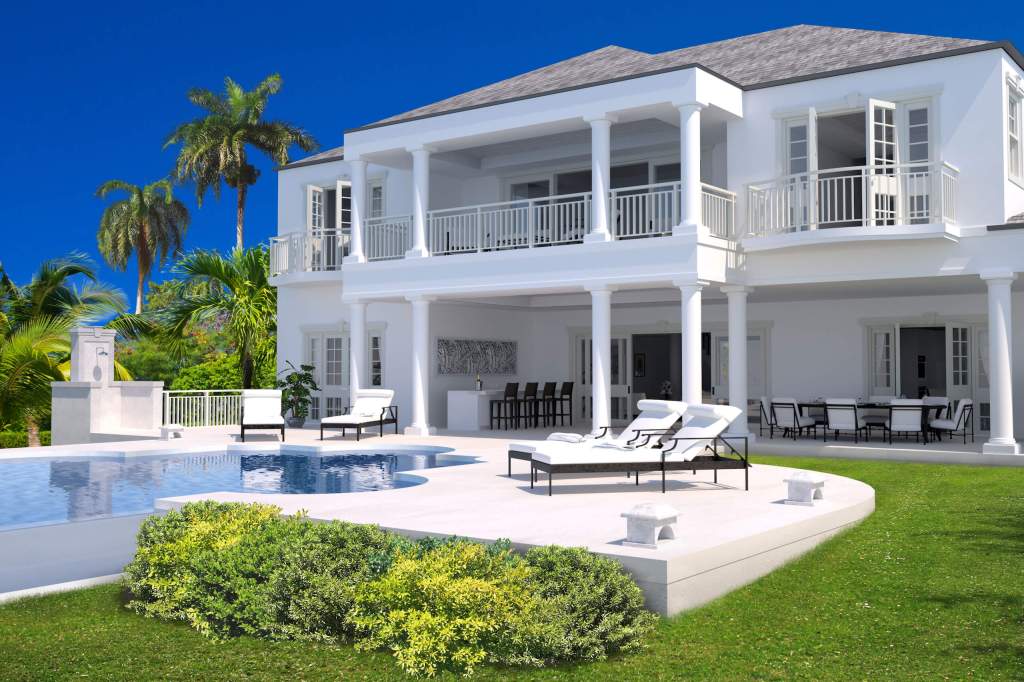
An Island Paradise Awaits
Buying real estate overseas can be an exciting yet daunting prospect. With its stunning beaches, vibrant culture, and favorable investment climate, Barbados is an attractive option for many. But what do you need to consider when buying real estate in this island paradise?
Make an Informed Decision
This blog post will delve into the key considerations when buying real estate in Barbados, including the pros and cons, typical costs, and timelines from looking to closing. Armed with this knowledge, you can make an informed decision and ensure a smooth and successful transaction.
The Pros and Cons: Weighing the Options
The Pros:
- Stable Economy: Barbados has a stable economy and a well-regulated real estate market, making it a safe investment destination.
- Attractive Tax Regime: There are no capital gains tax and no inheritance tax in Barbados, making it financially attractive for property investors.
- High Rental Yields: With a thriving tourism industry, rental properties in Barbados often yield high returns.
- Quality of Life: Barbados offers a high quality of life with excellent healthcare, education, and infrastructure.
- Residency Options: Buying property in Barbados can make you eligible for Special Entry and Reside Permit (SERP).
The Cons:
- Property Prices: Property prices in Barbados can indeed be relatively high, particularly in popular tourist areas or upscale neighborhoods. The cost of real estate can vary significantly depending on factors like location, property type (e.g., beachfront, inland, condo, villa), size, and overall condition. Buyers should be prepared for a potentially substantial initial investment.
- Additional Costs:
- Legal Fees: Purchasing property in Barbados involves legal processes that require the services of a lawyer. Legal fees can add a significant cost to the property acquisition process.
- Stamp Duty: Barbados imposes a stamp duty on property transactions. The amount can vary based on the property’s value and type.
- Property Transfer Tax: Buyers are typically responsible for paying a property transfer tax when acquiring real estate in Barbados. The tax rate depends on the property’s value.
- Maintenance Challenges: Maintaining a property from overseas can indeed be challenging. Factors contributing to this challenge include:
- Distance: If you’re not living in Barbados, you’ll need to rely on local services or property management companies to handle maintenance issues.
- Climate: Barbados’ tropical climate can take a toll on properties. Regular maintenance, such as hurricane preparedness and pest control, is crucial.
- Property Management: Many overseas property owners opt to hire property management companies to handle day-to-day upkeep, including repairs, cleaning, and renting out the property if it’s used as a vacation rental.
- Market Fluctuations: Property values in Barbados, like in most real estate markets, can experience fluctuations. Some factors that influence these fluctuations include:
- Economic Conditions: The Barbadian real estate market can be influenced by the overall economic health of the country.
- Tourism: Barbados heavily relies on tourism, so changes in the tourism industry, such as a decline in visitors, can impact property values in certain areas.
- Global Trends: International economic trends and events can affect the demand for property in Barbados.
- Investment vs. Lifestyle Choice: Buyers should consider whether their purchase is primarily an investment or a lifestyle choice. If it’s an investment, they’ll need to carefully analyze potential returns and rental income. If it’s for personal use, they should factor in the property’s utility and enjoyment alongside financial considerations.
- Currency Exchange: Since Barbados has its currency (the Barbadian dollar), buyers should be aware of currency exchange rates when transferring funds for property purchases. Fluctuations in exchange rates can impact the overall cost of the investment.
- Regulations and Residency: It’s important to be aware of Barbados’ regulations regarding foreign property ownership and residency. Depending on your intentions (e.g., living there full-time, using it as a vacation home, or purely as an investment), there may be specific requirements or incentives.
Question #1: Have you ever considered the tax implications of buying property overseas?
Typical Costs and Timelines: From Looking to Closing
Typical Costs:
- Legal Fees: Approximately 1.5% to 2% of the purchase price.
- Stamp Duty: 1% of the purchase price.
- Property Transfer Tax: 2.5% of the purchase price for properties under $125,000 USD and 5% for properties over $125,000 USD.
- Land Tax: Annual tax based on the value of the property.
Typical Timelines:
- Looking: It’s recommended to start looking for properties at least 6-12 months before you plan to buy.
- Making an Offer: Once you find a property you like, you can make an offer. This process can take anywhere from a few days to a few weeks.
- Legal Process: After your offer is accepted, the legal process begins. This includes due diligence, contract preparation, and signing. This usually takes about 2-3 months.
- Closing: After all legal requirements are met, the transaction can be closed. This usually occurs about 3-6 months after making an offer.
Your Guide to Buying in Barbados
Buying real estate in Barbados can be a rewarding investment, but it’s important to consider all the pros and cons, as well as the typical costs and timelines involved. With this guide, you’ll be well-equipped to navigate the process and make an informed decision.
Take the Next Step!
Ready to take the next step in your real estate investment journey? Follow us on Facebook and Instagram for more investment strategies, financial education tips and our travel life. Click the links below, follow us, and start your journey today!
P.S. What are your top considerations when buying real estate overseas? Share your thoughts in the comments below!
Disclaimer: The content on this blog is for informational and educational purposes only and should not be construed as professional financial advice. Please consult with a licensed financial or tax advisor before making any decisions based on the information you see here.
 Short Term Living & Investing In Barbados
Leave a comment